Most people never think about the software running on their Wi-Fi router. As long as the internet works, the router is forgotten. However, if you’ve ever wanted better performance, stronger security, more control, or features that your stock router firmware simply doesn’t offer, it’s time to take a look at OpenWrt.
OpenWrt is a free, open-source Linux-based operating system designed for routers and embedded devices. Instead of being limited by the firmware provided by the manufacturer, OpenWrt gives users complete control over their networking hardware.
In this article, we’ll explore the biggest advantages of OpenWrt and why it has become a favorite among home users, enthusiasts, developers, and small businesses alike.
1. Complete Control Over Your Router
One of OpenWrt’s greatest strengths is the level of control it offers.
Most factory firmware is designed to be simple but restrictive. OpenWrt removes those limitations by allowing users to configure nearly every aspect of their network.
You can customize:
- Network interfaces
- Firewall rules
- Wireless settings
- DNS configuration
- VPN connections
- Routing policies
- User permissions
- Startup services
Whether you’re a beginner learning networking or an advanced administrator, OpenWrt gives you the flexibility to build your network exactly how you want.
2. Excellent Security
Security is one of the main reasons many users switch to OpenWrt.
Unlike many manufacturer firmwares that stop receiving updates after only a few years, OpenWrt continues to receive security patches and improvements for supported devices.
Benefits include:
- Regular security updates
- Advanced firewall configuration
- Support for encrypted DNS
- VPN integration
- Secure remote administration
- Minimal unnecessary background services
This helps protect your home network against known vulnerabilities while keeping your router updated.
3. Better Performance
Many users notice improved performance after installing OpenWrt.
Because the firmware is lightweight and optimized, it often uses system resources more efficiently than stock firmware.
Depending on your hardware, you may experience:
- Faster routing performance
- Improved Wi-Fi stability
- Lower latency
- Better memory management
- More consistent long-term uptime
OpenWrt also gives you tools to monitor CPU usage, memory consumption, and network traffic in real time.
4. Package Management
OpenWrt includes its own package manager, allowing you to install additional software whenever you need it.
Instead of buying expensive networking equipment with extra features, you can simply install packages that extend your router’s capabilities.
Popular packages include:
- Ad blocking
- VPN servers and clients
- Dynamic DNS
- Network monitoring
- File sharing
- USB storage support
- IPv6 tools
- Bandwidth monitoring
- Quality of Service (QoS)
Your router becomes much more than just a Wi-Fi device.
5. Powerful VPN Support
Privacy is increasingly important today.
OpenWrt supports many popular VPN technologies, making it easy to secure your internet connection.
Supported options include:
- WireGuard
- OpenVPN
- IPsec
- L2TP
- PPTP (legacy)
Running a VPN directly on the router protects every connected device without requiring separate VPN software on each computer or smartphone.
6. Advanced Network Features
OpenWrt offers networking features that are normally found only in enterprise-grade equipment.
Examples include:
- VLAN configuration
- Guest Wi-Fi networks
- Multiple SSIDs
- Static routing
- Dynamic routing protocols
- Traffic shaping
- Load balancing
- Multi-WAN support
- Failover internet connections
These features make OpenWrt suitable for power users, home labs, and even small office environments.
7. Highly Customizable Web Interface
OpenWrt includes LuCI, a clean and responsive web interface that makes configuration much easier.
Although advanced users can configure everything through the command line using SSH, LuCI allows most settings to be managed from a web browser.
The interface includes:
- Network status
- Connected devices
- Wireless management
- Firewall settings
- Package installation
- System logs
- Performance graphs
This makes OpenWrt accessible to users with different levels of technical experience.
8. Supports a Wide Range of Hardware
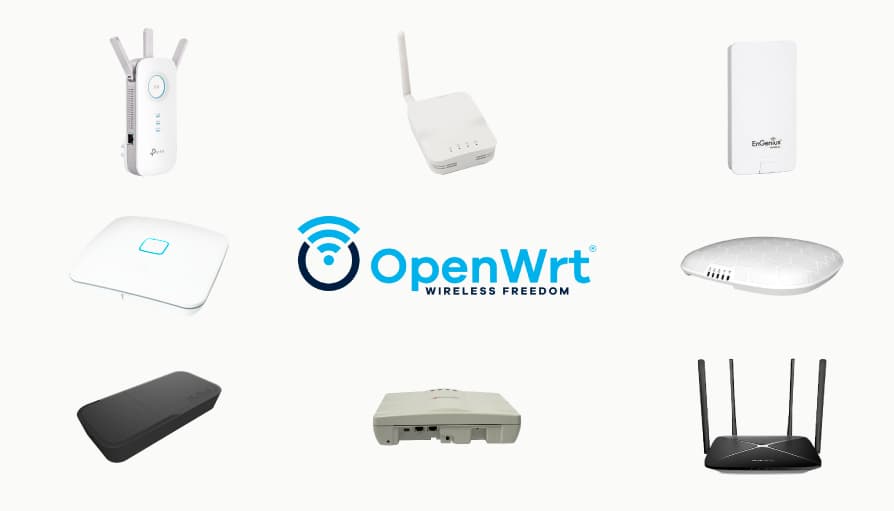
OpenWrt supports hundreds of router models from many manufacturers.
Instead of replacing your router, you may be able to give your existing hardware a second life simply by installing OpenWrt.
Supported brands include many popular consumer and enterprise networking devices.
Always check the official hardware compatibility list before installing.
9. Active Community and Documentation
One of OpenWrt’s strongest assets is its community.
Thousands of users contribute:
- Documentation
- Tutorials
- Bug fixes
- New features
- Packages
- Forum discussions
If you encounter a problem, chances are someone has already found a solution.
This large community makes learning OpenWrt much easier.
10. Completely Free and Open Source
OpenWrt is released under open-source licenses.
This means:
- No subscription fees
- No licensing costs
- No hidden features locked behind payments
- Full transparency
- Community-driven development
Anyone can inspect the source code, contribute improvements, or customize the system for their own needs.
11. Great for Learning Networking
If you’re interested in networking, Linux, or cybersecurity, OpenWrt is an excellent learning platform.
Using OpenWrt teaches practical skills such as:
- Linux administration
- Firewall configuration
- Routing
- DNS management
- VPN deployment
- Network troubleshooting
- Wireless optimization
Many IT professionals started experimenting with networking using OpenWrt on inexpensive hardware.
12. Long-Term Value
Many router manufacturers discontinue firmware updates after only a few years, even when the hardware is still capable.
OpenWrt can extend the useful life of compatible routers by providing modern software, security updates, and new features long after official support has ended.
This not only saves money but also reduces electronic waste.
Things to Keep in Mind
Although OpenWrt offers many advantages, it’s worth remembering that installing custom firmware requires care.
Before installing OpenWrt:
- Confirm your router model is officially supported.
- Follow the installation instructions carefully.
- Back up your current configuration.
- Understand that flashing incorrect firmware can render a device unusable.
- Some manufacturer-specific features may not be available after switching.
For most users, taking the time to prepare properly results in a stable and rewarding experience.
Final Thoughts
OpenWrt transforms an ordinary router into a powerful networking platform. Whether your goal is improved security, faster performance, advanced networking capabilities, or simply greater control over your home network, OpenWrt delivers features that far exceed what most stock firmware provides.
Its combination of flexibility, reliability, active community support, and open-source philosophy has earned it a strong reputation among networking enthusiasts around the world.
If your router is compatible and you’re willing to spend a little time learning, OpenWrt can be one of the most valuable upgrades you make to your home network.